
By ONN Reporter
Oil infrastructure across the Gulf is under fire as the conflict involving the United States, Israel and Iran expands beyond military targets, raising fears of severe global economic disruption.
Iranian strikes have reportedly hit key facilities in Qatar, prompting QatarEnergy to halt parts of its downstream production, including materials such as urea, polymers, methanol and aluminium. The move triggered an immediate spike in aluminium prices on international markets, underscoring just how sensitive global supply chains are to instability in the region.
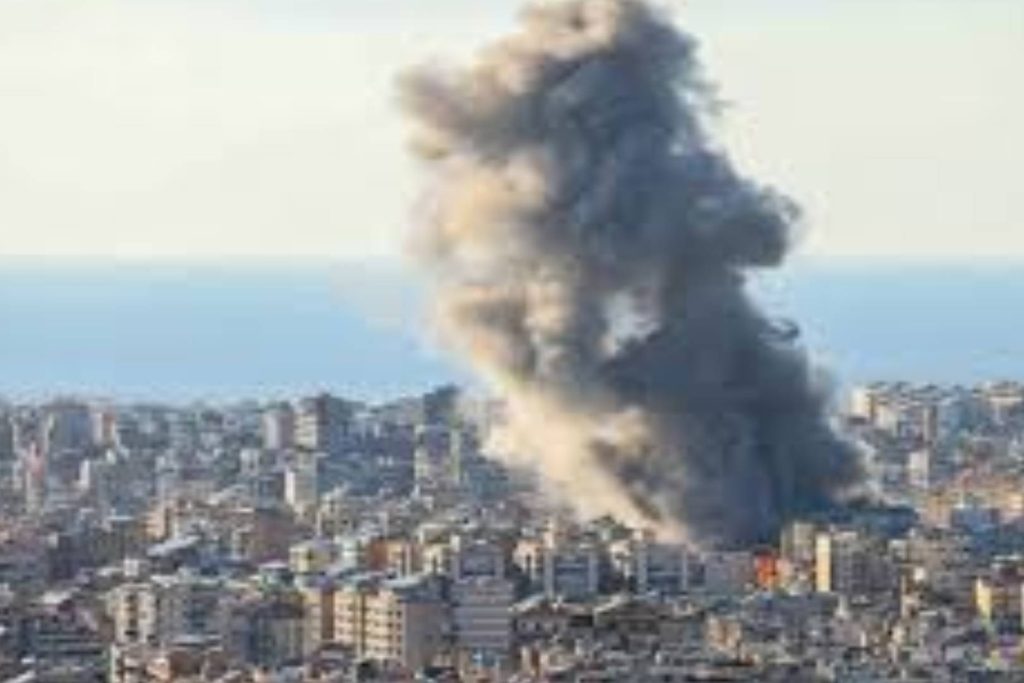
In Oman, drones targeted the strategic port of Duqm for the second time in three days, while authorities in the UAE confirmed a fire at an oil storage and trading zone in Fujairah caused by debris from an intercepted drone. Though no casualties were reported, the incidents signal a widening of targets to include energy infrastructure in US-allied Gulf states.
The Strait of Hormuz — a critical artery for global oil and gas shipments — is once again in sharp focus. Any sustained disruption to shipping through the narrow waterway could send energy prices soaring and rattle financial markets worldwide.
For South Africa and other energy-importing nations, escalating tensions in the Middle East could translate into higher fuel prices, inflationary pressure and currency volatility in the weeks ahead.
As the situation evolves rapidly, staying informed is more important than ever.
Follow ONN for breaking news, expert insights and real-time updates on developments shaping the global economy. Add ONN as your preferred source on Google News to ensure you never miss a story.